
The Role of Athlete Recovery Massage Therapy in Athletic Performance
When I first discovered the power of athlete recovery massage therapy, it felt like unlocking a secret weapon for my body. The gentle pressure, the soothing strokes, the way tension melts away - it’s more than just relaxation. It’s a vital part of how I prepare, recover, and perform at my best. If you’ve ever wondered how athletes keep pushing their limits without breaking down, massage therapy plays a huge role.
Let me take you through why this is so essential for anyone looking to improve flexibility, reduce stress, and boost overall performance. Whether you’re a weekend warrior or someone who craves a moment of calm in a hectic day, this post will guide you through the benefits and practical tips of athlete recovery massage therapy.
Why Athlete Recovery Massage Therapy Matters
Athlete recovery massage therapy is not just a luxury; it’s a necessity for maintaining peak physical condition. When muscles work hard, they develop tiny tears and build up of DOMS Delay of Muscle soreness. This can cause stiffness, soreness, and even injury if left untreated. Massage helps by increasing blood flow, which delivers oxygen and nutrients to tired muscles and flushes out waste products.
Imagine the feeling of a warm, rhythmic massage loosening tight muscles after a long run or intense workout. It’s like your body sighing in relief. This process speeds up recovery, reduces pain, and improves flexibility. Over time, regular massage sessions can even enhance your range of motion, making every movement smoother and more efficient.
Beyond the physical, massage therapy also calms the nervous system. It lowers cortisol levels, the hormone linked to stress, and boosts serotonin and dopamine, which lift your mood. This mental reset is just as important as the physical benefits, helping you stay focused and motivated.
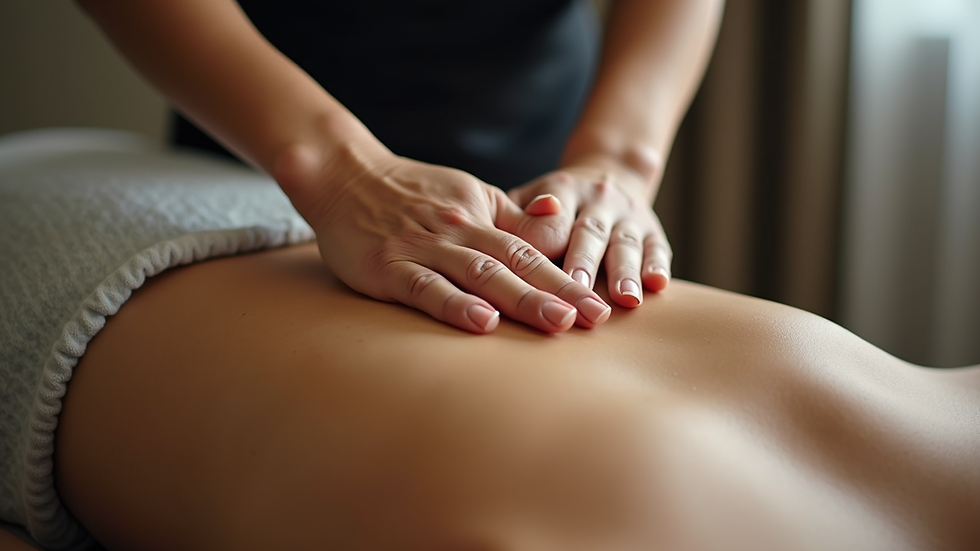
The soothing touch of massage therapy helps muscles recover and relax.
How Athlete Recovery Massage Therapy Enhances Performance
You might ask, how exactly does massage therapy improve athletic performance? The answer lies in its ability to prepare the body and mind for action, and to repair them afterward.
Before exercise, massage can warm up muscles and increase circulation. This reduces the risk of strains and sprains by making tissues more pliable. After exercise, it helps clear metabolic waste and reduces inflammation, which means less soreness and quicker healing.
Massage also targets specific problem areas. For example, if you’re a runner with tight calves or a cyclist with stiff hips, a focused massage can release those knots and improve blood flow. This targeted care prevents injuries and keeps you moving freely.
Another key benefit is improved proprioception - your body’s awareness of its position in space. Massage stimulates nerve endings, enhancing coordination and balance. This subtle advantage can make a big difference in sports that require precision and agility.
If you want to explore more about how massage can support your active lifestyle, check out this resource on massage therapy for athletes.

Creating a peaceful environment enhances the benefits of athlete recovery massage therapy.
How Often Should Athletes Get a Massage?
One of the most common questions I hear is, “How often should I get a massage?” The answer depends on your activity level, goals, and how your body responds.
For those training intensely or competing regularly, weekly sessions can be ideal. This frequency helps maintain muscle health, prevent injuries, and manage stress. If you’re in a recovery phase or dealing with a specific injury, more frequent sessions might be necessary.
For casual exercisers or those new to massage, once every two to four weeks is a good starting point. This allows your body to adjust and benefit without overwhelming your system.
Listening to your body is key. If you notice increased tightness, fatigue, or discomfort, it’s a sign to schedule a session. On the other hand, if you feel relaxed and flexible, you might extend the time between massages.
Remember, consistency is more important than intensity. Regular, gentle care keeps your muscles happy and your mind clear.
Practical Tips for Maximising the Benefits of Massage Therapy
To get the most from athlete recovery massage therapy, consider these simple but effective tips:
Hydrate well before and after your session. Water helps flush out toxins released during massage.
Communicate openly with your therapist. Let them know about any pain, tight spots, or preferences.
Combine massage with stretching and light exercise. This supports muscle elasticity and circulation.
Create a calming environment at home. Use warm baths, gentle stretching, and mindfulness to extend the benefits.
Schedule massages around your training calendar. Avoid heavy sessions right before competition but use them strategically during recovery days.
By integrating these habits, you’ll notice faster recovery times, improved flexibility, and a deeper sense of well-being.
Embracing Massage Therapy as Part of Your Wellness Journey
Massage therapy is more than a treatment - it’s a form of self-care that honours your body’s needs. When I make time for massage, I feel grounded, balanced, and ready to face whatever challenges come my way.
If you’re seeking a break from daily stress, aiming to improve your performance, or simply wanting to feel more connected to your body, athlete recovery massage therapy offers a gentle, effective path. It’s a chance to slow down, breathe deeply, and nurture yourself.
At Sense for Body Massage & Treatments in Baldock, the focus is on creating a serene, personalised experience. Every session is tailored to your unique needs, helping you find balance and rejuvenation in a peaceful setting.
Why not give yourself the gift of healing touch? Your body will thank you.

Serene spaces enhance the healing power of massage therapy.
Massage therapy is a powerful tool for anyone looking to enhance their physical and mental well-being. By incorporating it into your routine, you open the door to greater flexibility, reduced stress, and improved performance. Take that step today and discover the difference it can make.


Comments